The Fifty-Thousand Dollar Table at the Cockatoo Inn
John Macardican had an idea that, on paper, made a lot of sense. It was the early 1980s, and Compton, California had a trash problem. Macardican’s solution was a $250-million waste-to-energy conversion plant that would recycle what it could and generate energy with the rest. In 1983, he founded Compton Energy Systems (“CES”) and served as its President. It was a great solution: clean up the city, generate power, and turn a problem into an asset. All he needed was a conditional use permit from the Compton City Council. Little did Macardican know that he was in the middle of decade-long true crime story, and that his ambitions would bring him to the fifty-thousand dollar table at the Cockatoo Inn.
Let’s Meet at the Cockatoo
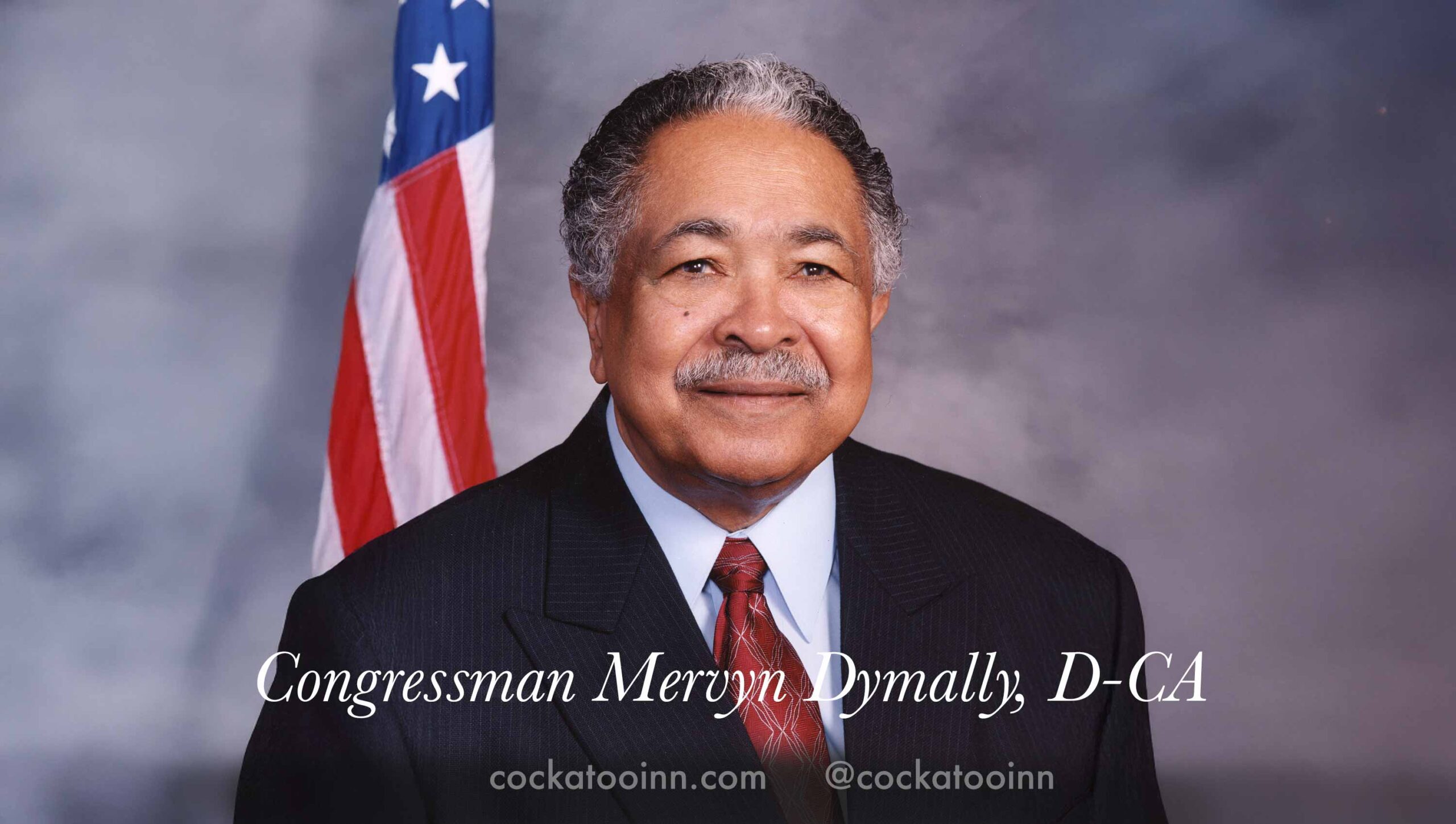
Macardican’s ambitious plans soon found their way to Mervyn Malcolm Dymally. Dymally (pronounced “DIE-mah-lee“) was, at the time, a sitting U.S. Congressman representing California’s 31st District, with deep roots in South Bay politics and real influence in Compton. In the spring of 1984, according to Macardican, he wanted to know about this project. On June 5, 1984, Macardican was directed to the Cockatoo Inn in Hawthorne at the behest of Congressman Dymally (D-CA).
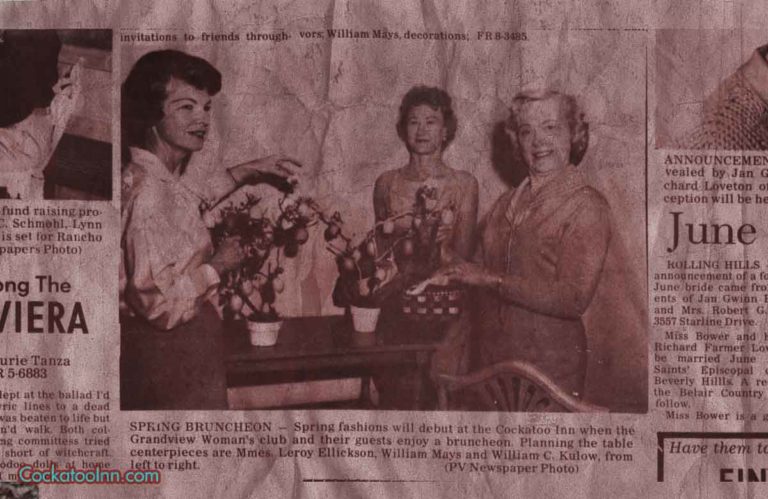
The Cockatoo Inn was a natural place for a meeting like this. It was well-known, well-located, the kind of Hawthorne institution where a serious conversation could happen over a meal without anyone looking twice.
Think about what that meeting must have felt like walking in. Macardican had been pushing this project for months. A $250-million plant. Jobs. A real solution to a real problem. And now a sitting U.S. Congressman — not a council member, not a city staffer, but a congressman — had taken enough interest to ask for a one-on-one. That was momentum.
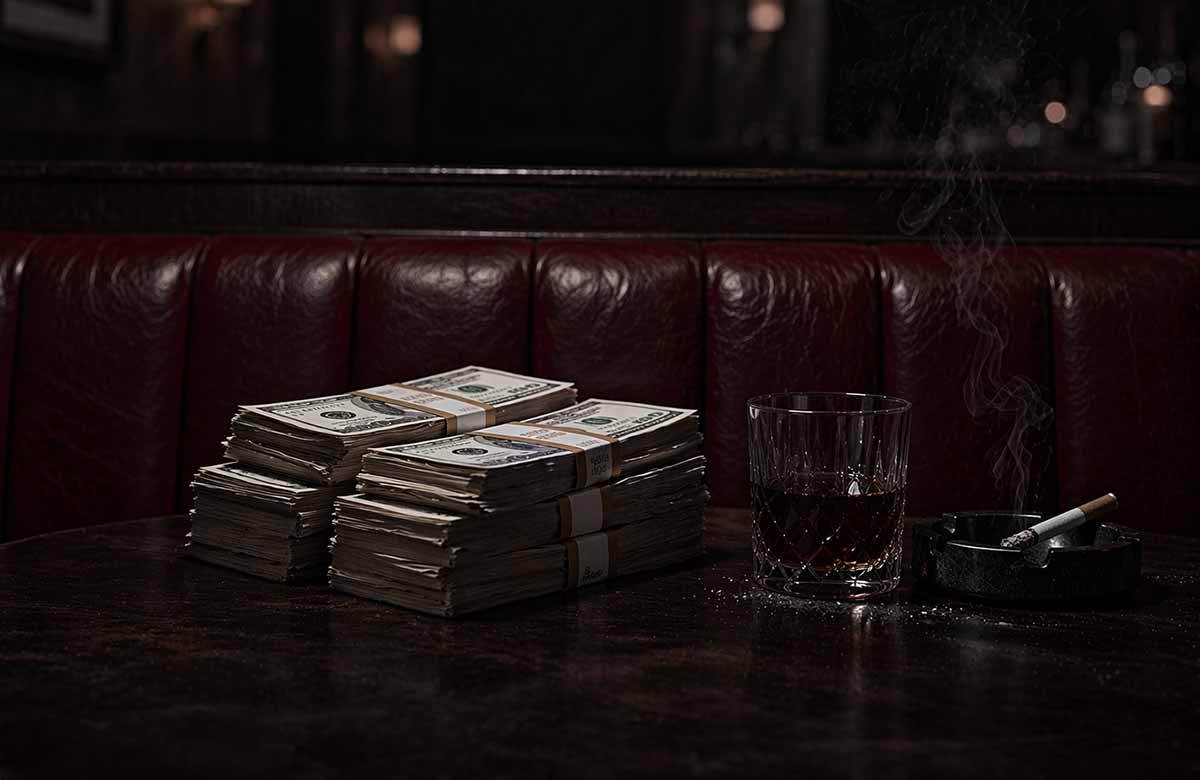
At the Cockatoo, Macardican held his breath for what could be the beginning of something huge. But according to his testimony, Macardican said that Mervyn Dymally immediately revealed his true intentions. He threatened, “If you don’t give me $50,000 – I’ll kill your project.” Macardican suddenly found himself sitting at a fifty-thousand dollar table at the Cockatoo Inn.
Macardican walked away without paying.
The thing was, the Compton Planning Commission already granted his company a conditional use permit, but it was revoked by the City Council, according to court records. The question is – why was it revoked?
The FBI Did Nothing
In 1984, after feeling his permit was revoked because he wouldn’t pay the bribe, Macardican and business associate Robert Schultz, took their story to the FBI, according to the LA Times. The feds listened and then did nothing.
In 1987, Macardican tried again — this time bringing an undercover FBI agent with him to a meeting with two Compton City Council members, Robert L. Adams and Floyd James, to discuss reviving the project. According to Macardican’s later testimony, Adams and James also wanted $50,000 to make it happen. The FBI, again, declined to pursue it.
Then in 1990, the calculus changed. The FBI launched a broader investigation into political corruption in Compton, and Macardican became a cooperative witness. He was back in business — not as a developer, but as a government operative. And the target wasn’t Congressman Dymally anymore.
The 1995 Court Proceedings
Before Walter R. Tucker III became Dymally’s successor as congressman in 1992-93, he served as Mayor of Compton when his father – the acting mayor – passed. By 1995, Tucker was on trial, charged with soliciting $37,500 in bribes from Macardican and demanding $250,000 more in kickbacks during his time as mayor in 1991 and 1992. The transactions were documented on FBI video and audiotape. Tucker’s defense didn’t deny the payments happened. Their argument was entrapment — that Macardican was a rogue operative who had manufactured the whole thing.
Dymally denied all of it. A Los Angeles Times reporter reached him en route to Trinidad, where he called Macardican a pathological liar and denied soliciting a bribe from anyone. He also claimed he’d known all along that Macardican was an FBI plant. The problem is that Macardican didn’t become a cooperative FBI witness until 1990. The Cockatoo meeting was 1984. Either Dymally’s instincts were six years ahead of the facts, or he was constructing a convenient memory at cruising altitude.
What the court record does say is that Dymally was never charged. Tucker was later convicted.
So what actually happened at the fifty-thousand dollar table on June 5, 1984? Nobody ever had to answer that question in court, at least not seriously. The defense raised it to damage Macardican’s credibility, not to prove it true — Ramsey said as much outside the courtroom. But that doesn’t make it false.
Mervyn Dymally: A Lifetime of Scandal
If you’re looking for a true crime story, Mervyn Dymally’s career offers many a premise. The 1995 bribery allegation wasn’t the only cloud that followed Dymally. FBI and IRS investigations had dogged him as far back as 1978, reportedly contributing to his loss in that year’s re-election bid for Lieutenant Governor. Allegations of fraud, bribery, and pay-for-play campaign contributions trailed him for decades — including a claim that he received a $10,000 bribe from a religious cult and misused money from a nonprofit institute he founded.
Then there was the diamond business. Congressman Dymally was a vocal supporter of sanctions against South Africa’s apartheid regime — a position that earned him real credibility as a moral voice in Congress. In 1990, the Washington Post reported that he had quietly watered down a bill banning U.S. imports of South African diamonds, apparently at the urging of international diamond czar, Maurice Tempelsman. (Tempelsman was famously the romantic companion of Jackie Kennedy Onassis and ran Lazare Kaplan International, America’s largest diamond company and one of a handful of firms granted exclusive buying rights directly from the De Beers cartel.) Two months after urging Dymally to water down the bill, Tempelsman donated $34,200 to a Dymally scholarship program for minority students. (Jackie of course, was the widow of President John F. Kennedy, who was rumored to have rendezvoused with Marilyn Monroe at the Cockatoo Inn, according to the New York Times.) Tempelsman died in 2025 at the age of 95.
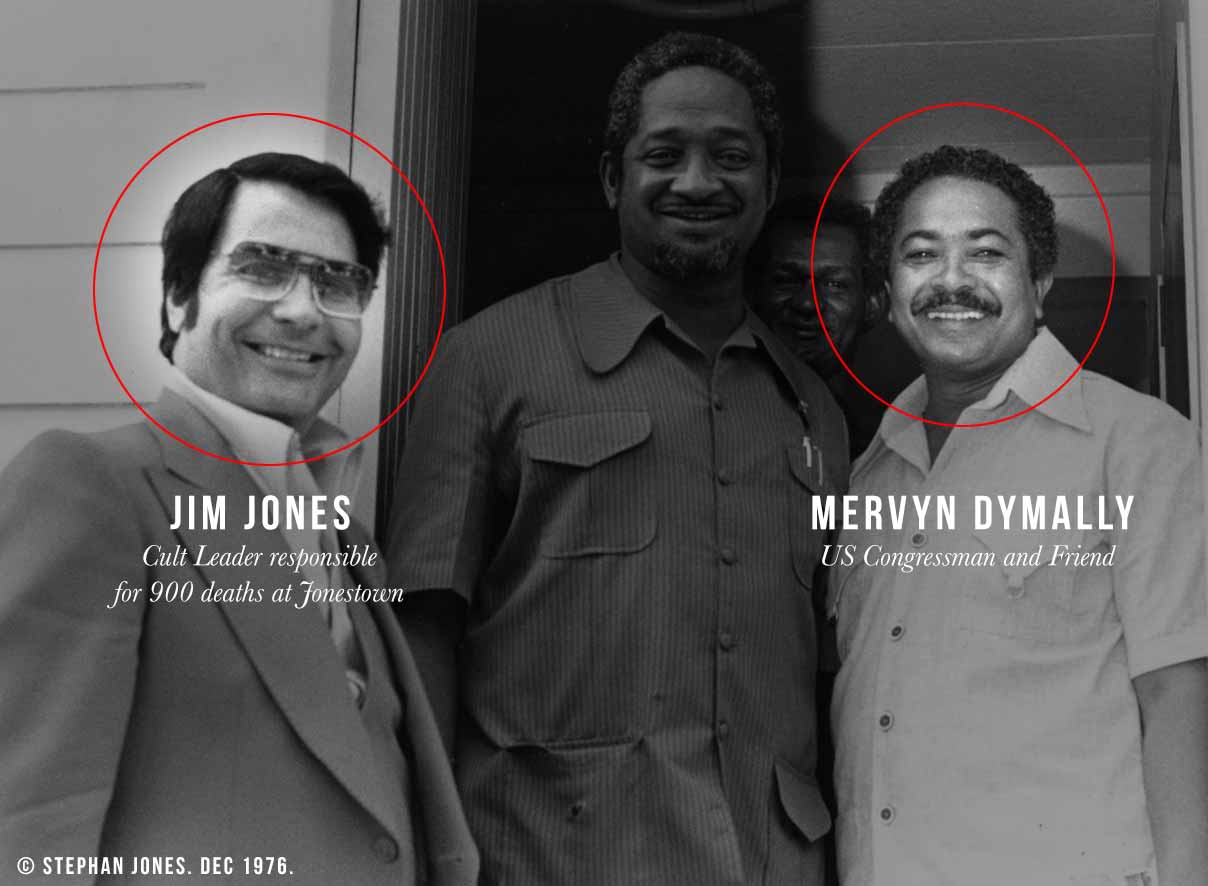
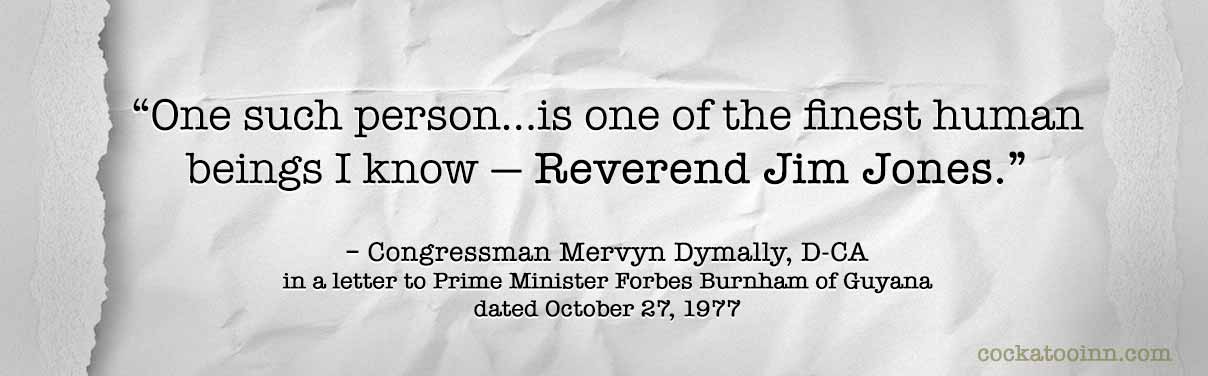
There was also Congressman Dymally’s relationship with longtime friend, Peoples Temple founder Jim Jones. Dymally wrote the Guyanese prime minister a letter vouching for Jones’s character as Jones relocated his congregation to Guyana. On November 18, 1978, 918 people died at the Jonestown compound. It’s been estimated that at least 300 of them were children or teens, with 600 to 700 African-American victims, mostly women. Dymally’s fellow California congressman, Leo Ryan, D-CA, was shot 20-40 times, trying to help defectors.
Dymally’s letter supporting Jim Jones does not age well at all. It can be read at the San Diego State University Jonestown portal.
In 1997, he denied any ownership of a Virgin Islands nightclub raided by the FBI for illegal gambling equipment. None of it ever resulted in a conviction. In the murky arena of Caribbean nightlife, it is hard to find records that he owned “The Pink Pussycat,” though some sources say he admitted to being a “consultant.”
He was also a friend and supporter of now disgraced activist, Cesar Chavez – who rocked news cycles in 2026 after being accused of sexually assaulting two underage girls and fellow labor leader Dolores Huerta in the 1960s-70s, according to a New York Times investigation. Dymally’s successful partnership with Chavez helped garner the Hispanic vote in 1980.
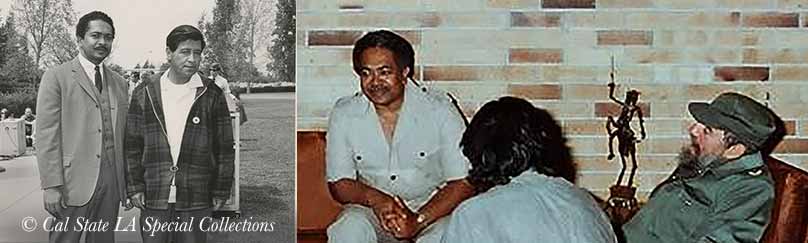
Dymally also held a private meeting with Cuban dictator, Fidel Castro, in 1985. A U.S. politician engaging Castro during the Reagan era was seen as undercutting official policy. Dymally did not act on behalf of the government, but for himself. Fearing Castro could use the event as propaganda, many viewed the event negatively in 1985 as Cold War tensions remained high. Dymally used the interview to co-author a book about Castro.
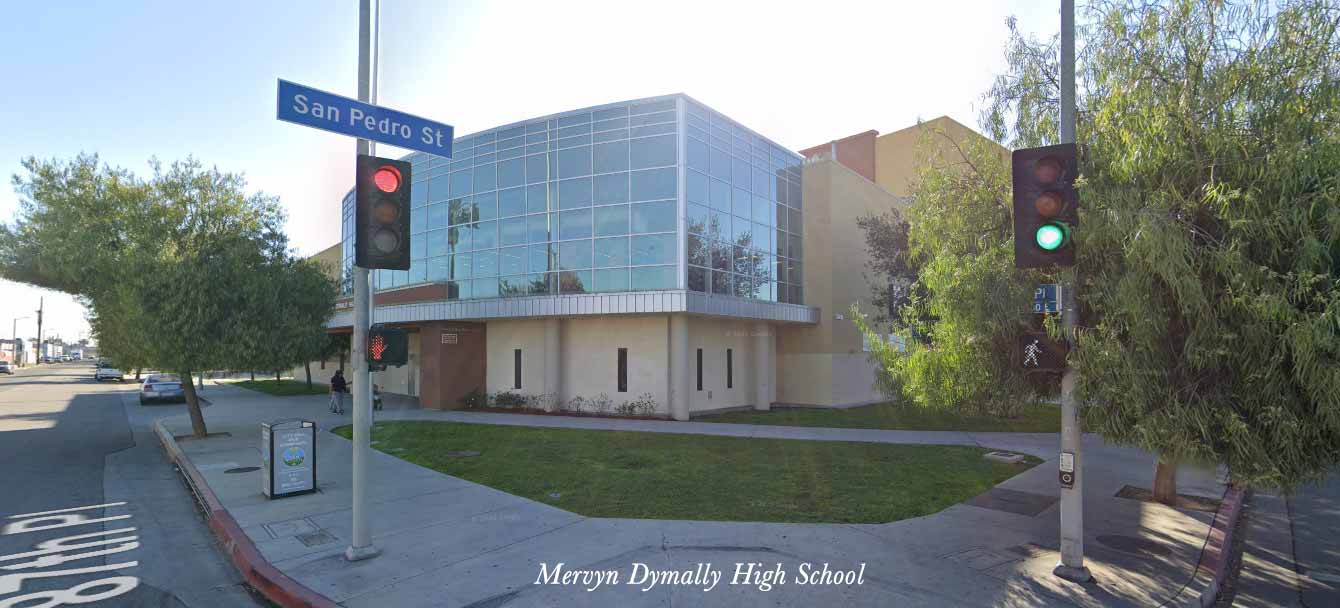
Despite this clearly tainted aura, Mervyn M. Dymally High School — part of the Los Angeles Unified School District — was named in his honor. As was the Dymally Institute at CSU Dominguez Hills.
There is a certain irony in all of this that’s hard to ignore. The Cockatoo’s owner, Andrew Lococo, spent decades being scrutinized by federal authorities over his own alleged ties to illegal gambling operations. Or wanting to have an interest in a nightclub, as Dymally did. The FBI watched Andy for years. And here, at Andy’s hotel, a congressman would later be accused of shaking down a businessman — before allegedly turning up, years later, connected to his own gambling raid. Different men, different eras, different tables. Who’s the bad guy? Maybe it depends on who’s serving the law at any given moment.
The Dark Side of the Cockatoo: 1984
What’s harder to dismiss is the address itself.
The Cockatoo Inn appeared in federal testimony as the site of an alleged congressional shakedown. That’s notable enough on its own. But consider the timing: that meeting with Macardican happened in June of 1984. Six months later, on December 10 of that same year, an aerospace engineer from Northrop named Thomas P. Cavanagh who walked into the Cockatoo Inn expecting to meet KGB agents. The Cockatoo Inn, in the span of one calendar year, had hosted an alleged political extortion and a Cold War espionage sting. Dymally’s alleged threat was revealed a decade later, when the Cockatoo Inn was already closed, or near closure.
Andrew Lococo was no stranger to federal scrutiny himself — he had his own well-documented history with the FBI, mob ties that investigators took seriously, and a stint in prison. So perhaps it’s not entirely surprising that the Cockatoo, over the years, attracted more than its share of men with things to hide and deals to make. People came and went. Conversations happened at that bar, over those tables, in that dining room. Most of them are lost to time. Some made it on record.
© CockatooInn.com, All Rights Reserved.
Show everyone what the best midcentury hotel and restaurant was with the official Cockatoo Inn t-shirt! Proceeds help fund this website.