The Hawthorne City Council’s Favorite Restaurant
Andrew Lococo had been having a rough couple of years. In 1970 he’d been convicted of perjury — lying to a federal grand jury that was looking into horse race fixing — and sentenced to six months. Then, the following January, a second conviction: possession of a firearm as a felon, under the 1968 Gun Control Act. Six more months, plus five years probation. Still, the Cockatoo proved to be the Hawthorne City Council’s favorite restaurant.
Mayor Page Names the Cockatoo
On May 30, 1971, the Los Angeles Times ran a piece by staff writer Ray Ripton under the headline “Bitter Political Battle Erupts Among Hawthorne Councilmen.” The story was about a 3-2 city council vote to fire the city manager, a recall threat against the mayor, and a request for a district attorney’s investigation into alleged underworld influence in municipal government. It was a full-on Hawthorne civic crisis.
The Cockatoo was in the middle of it.
Mayor Gregory Page’s central allegation — though he was careful about exactly how he framed it — was that Councilmen Hugh Cunningham and Joseph Miller, along with Police Chief Coleman Young and city manager Richard Pennock, had been meeting at the Cockatoo Inn while Andy was present, and discussing city business while they were there. Page didn’t claim anything illegal was transacted. He just felt, as he put it, that “the result of their sitting together and discussing city business had an effect upon the city’s affairs.”
Everybody Went to the Cockatoo
Cunningham’s response was worth quoting in full, and Ripton obliged. “I think the answer is very simple,” the councilman said. “Neither Miller nor I deny going to the Cockatoo, as does almost everyone else in town. It is one of the nicest restaurants in town.“
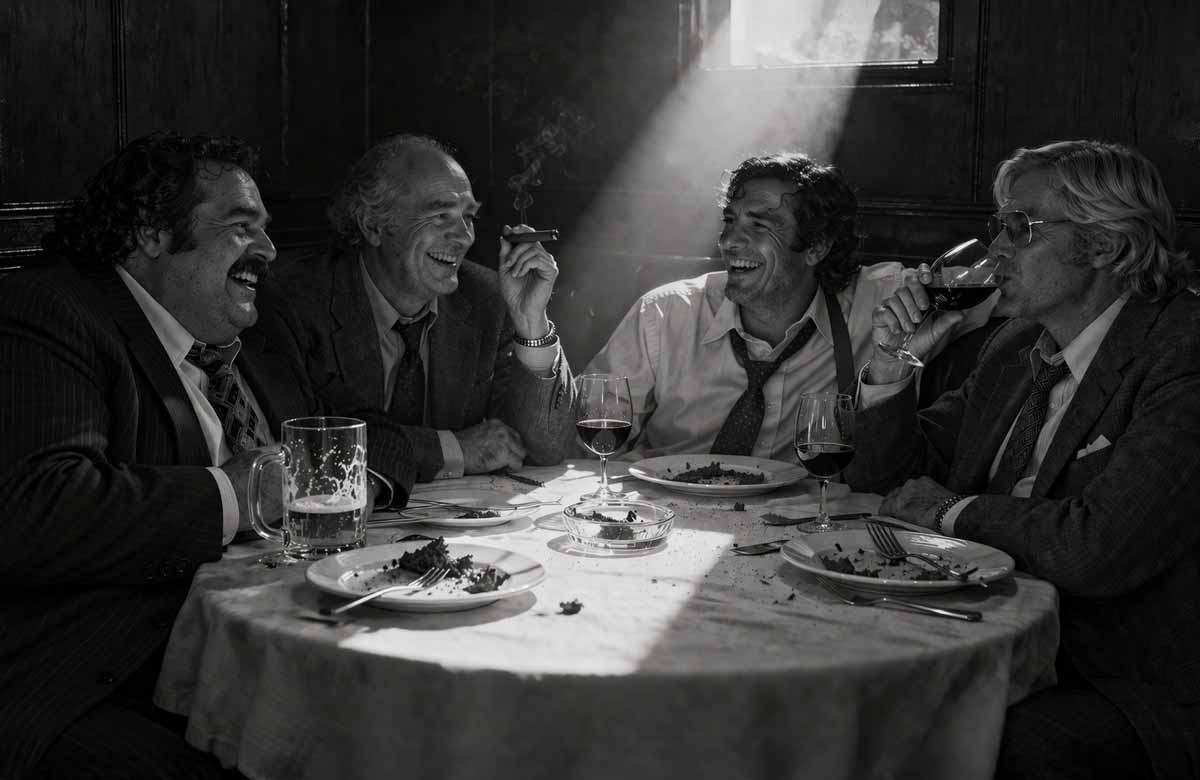
He wasn’t wrong about that part. Cunningham went on to tick off who else he’d seen there: senators, congressmen, lawyers, judges, ministers. This was the Cockatoo’s peculiar position in mid-century Hawthorne — it was simultaneously a place with a complicated owner and a place where respectable people simply went to eat and talk. Those two facts coexisted, and apparently had for years.
Whether proximity to Andy constituted a scandal depended entirely on who was doing the measuring.
Mayor Page was measuring carefully. He’d already asked the district attorney’s office to look into alleged underworld influence in the city, and he was citing Andy’s Cosa Nostra associations as context for why the councilmens’ restaurant habits were relevant. Cunningham, for his part, called Page “the most detrimental thing the city has had in years” and announced plans for a recall campaign. City manager Pennock categorically denied everything and suggested that if he was attacked personally, he’d seek litigation.
Everyone was lawyering up or threatening to. The Cockatoo Inn, it seemed, had become exhibit A in a fight that was really about something else entirely — council factions, a fired city manager, a mayor with a taste for dramatic accusations.
What’s notable, in retrospect, is Cunningham’s argument: everybody went there. Senators. Judges. Ministers. The Cockatoo’s clientele was a cross-section of Southern California civic life, and the councilman was banking on that fact to defuse the mayor’s insinuations. If guilt by association applied, a lot of people had some explaining to do.
Andy had been running that kind of place for decades.
Show everyone what the best midcentury hotel and restaurant was with the official Cockatoo Inn t-shirt! Proceeds help fund this website.